Yin Yoga Poses
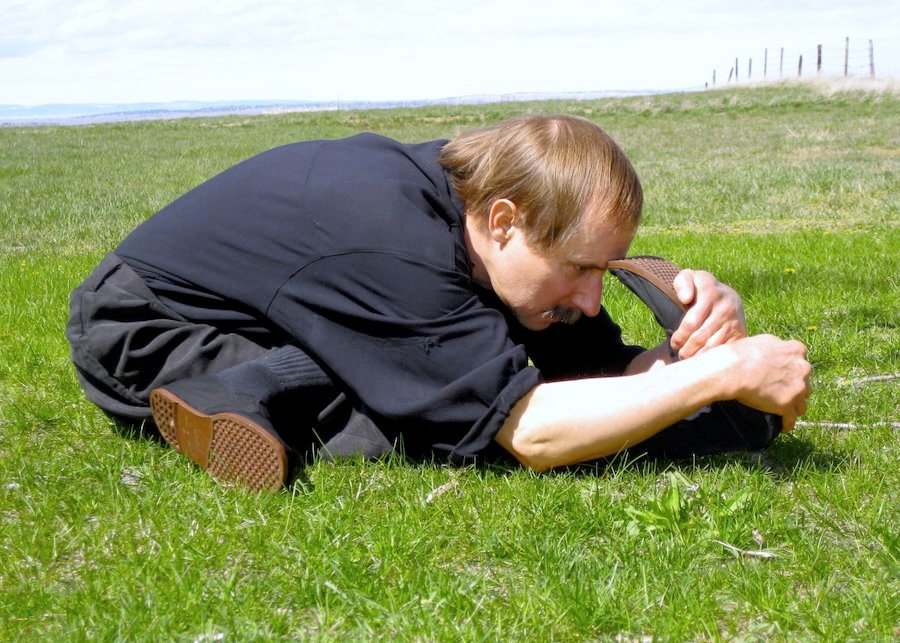
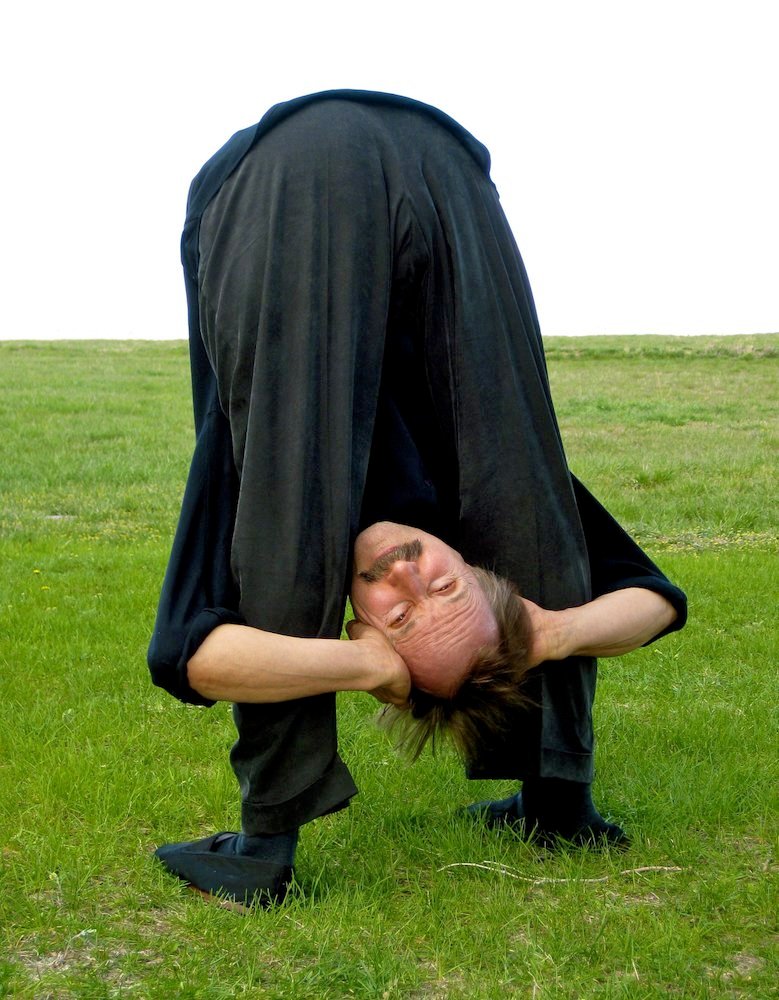
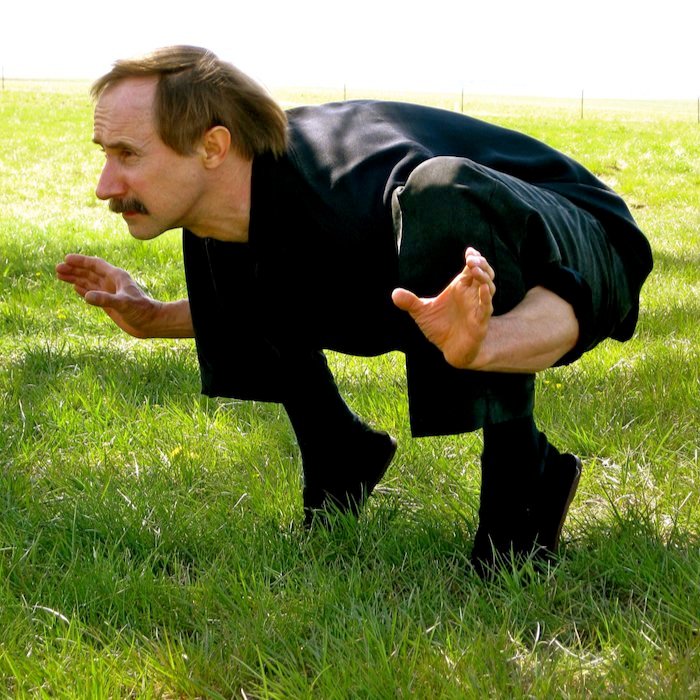
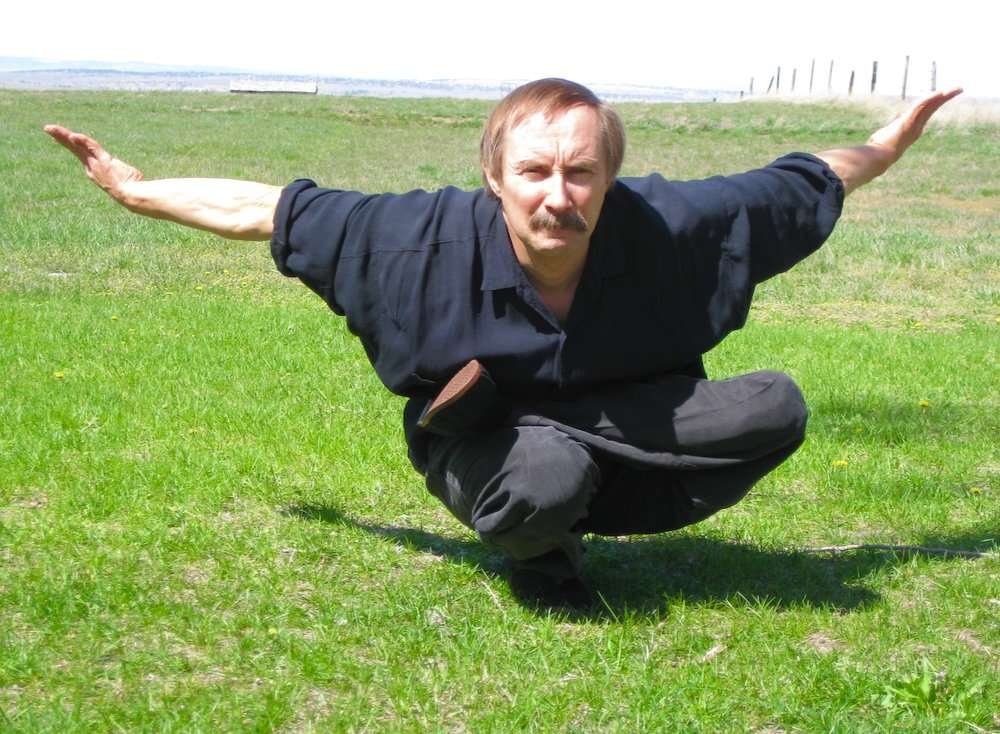
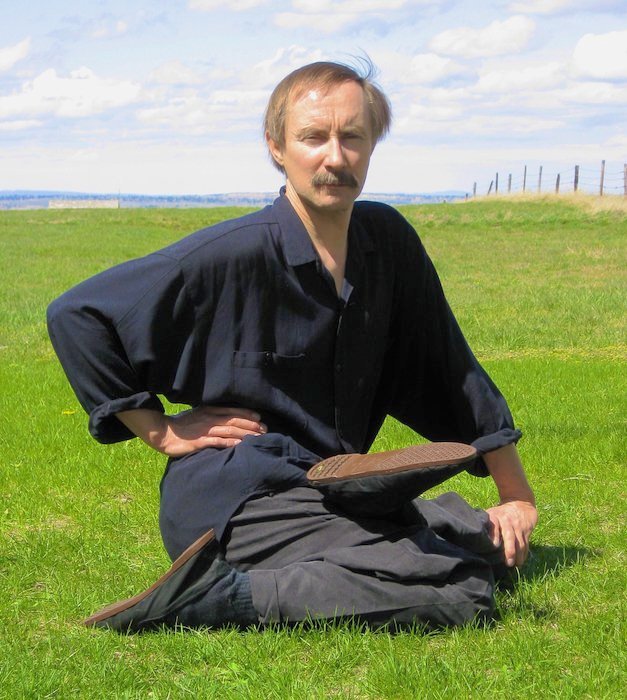
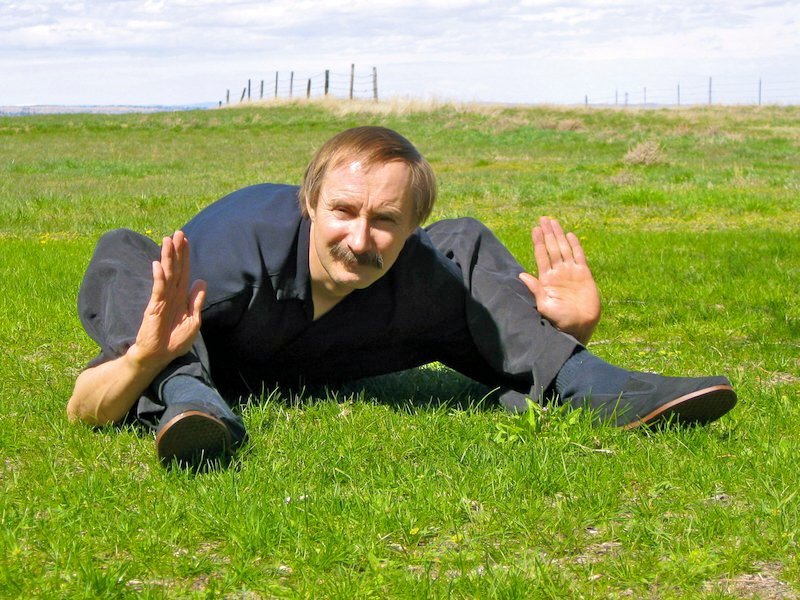
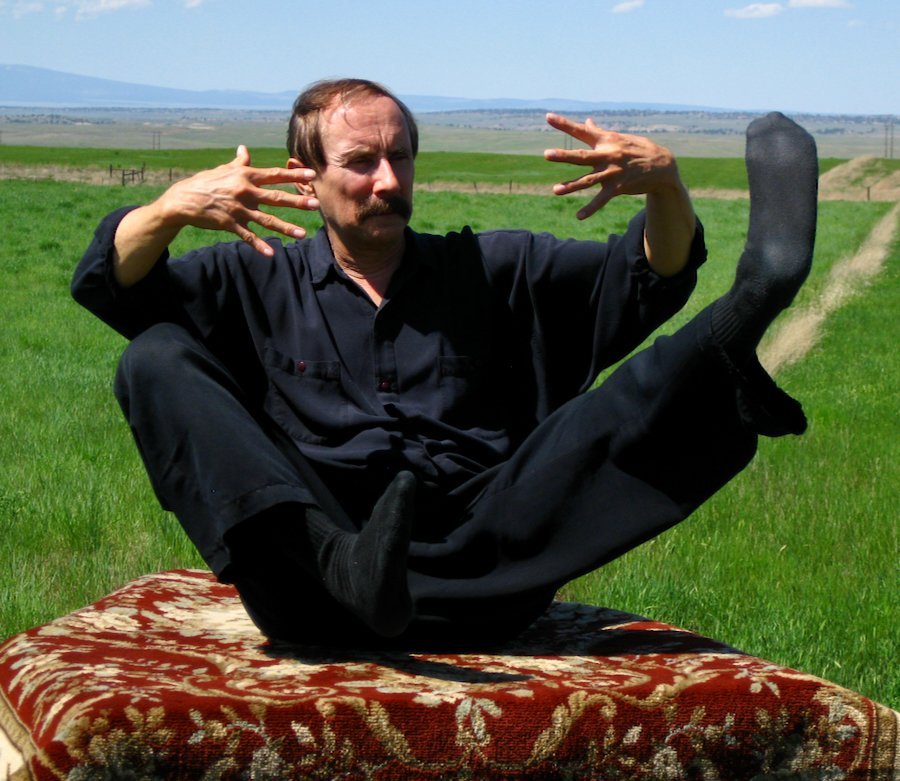
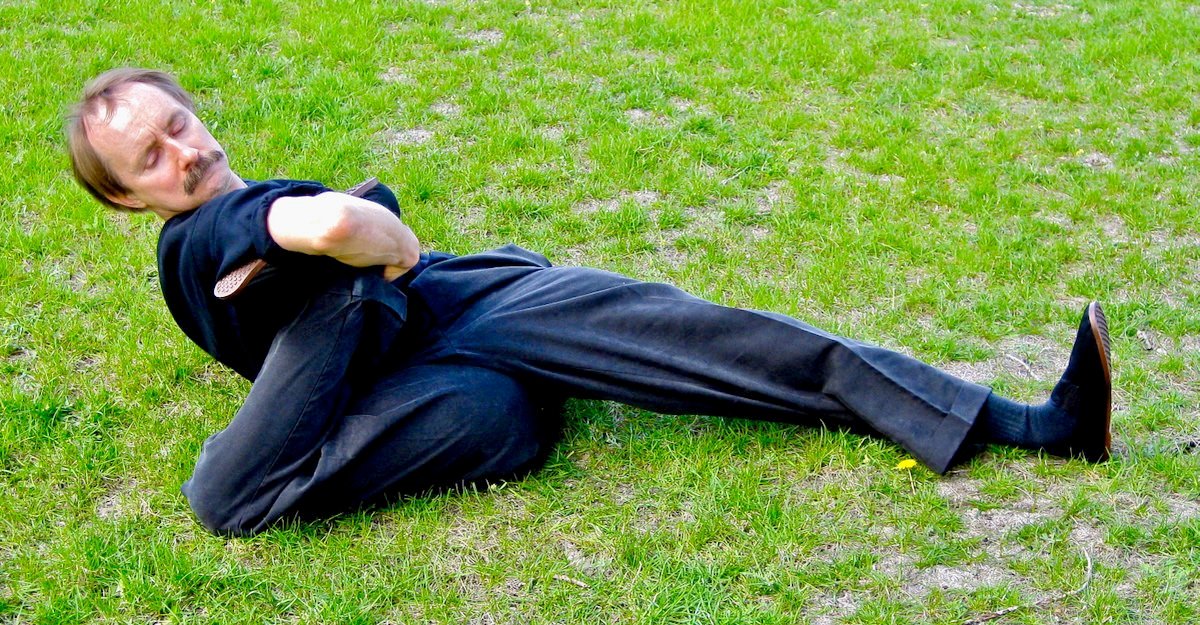
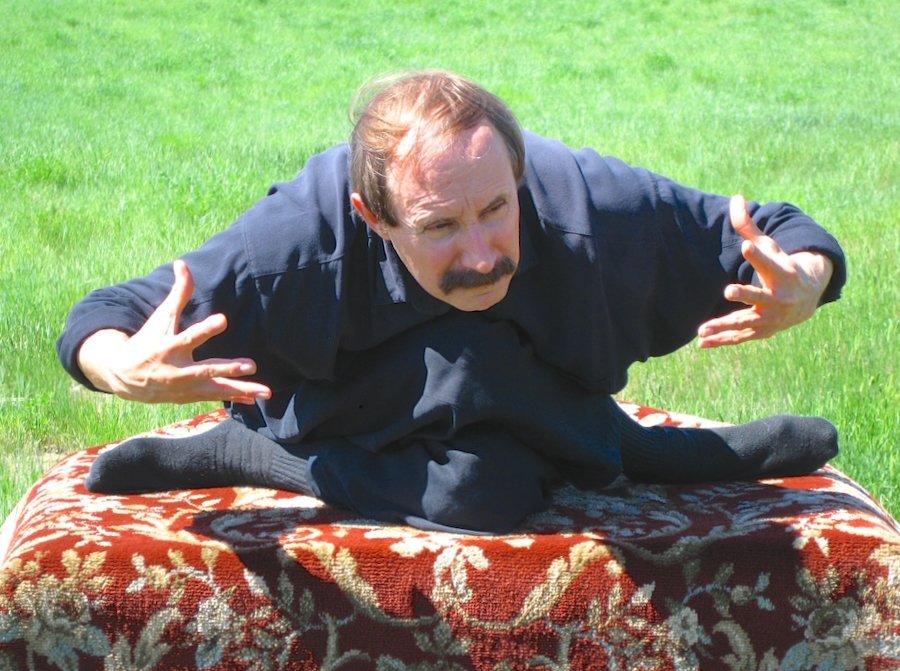
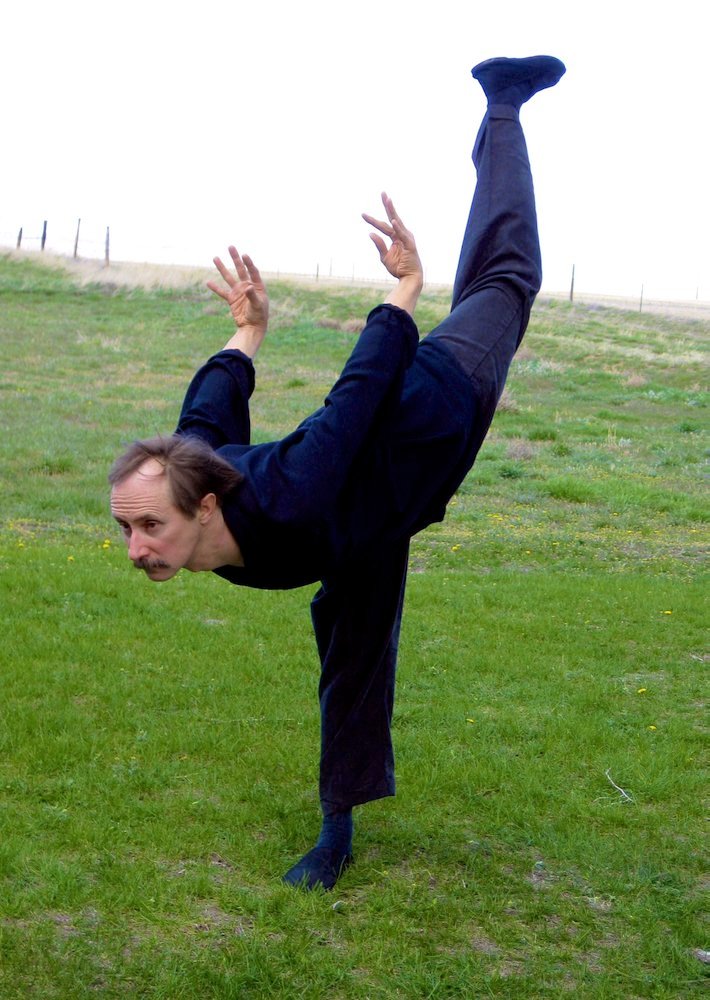
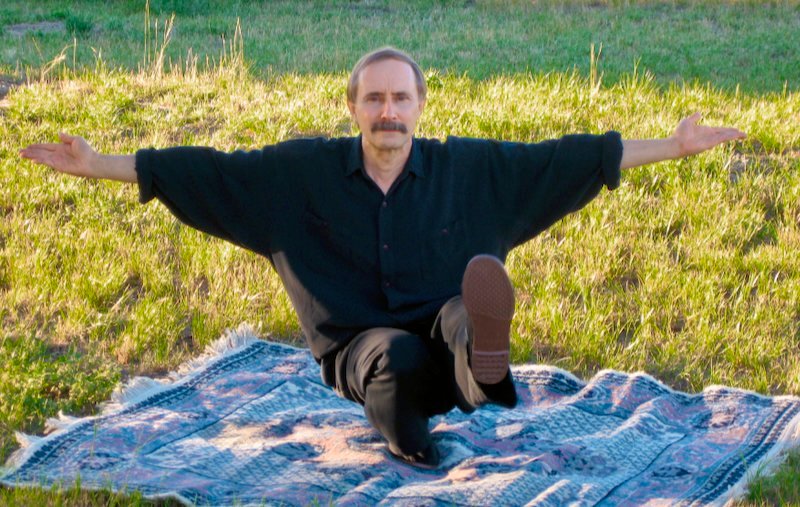
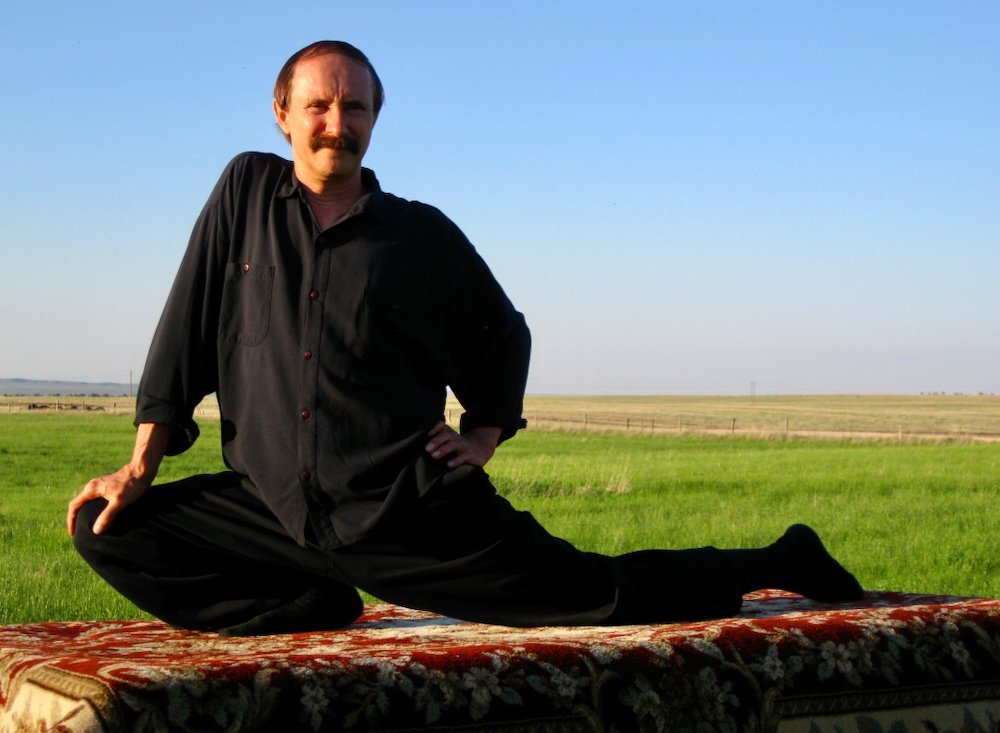
12 Yin Yoga Poses (above)
Paulie developed several dozens of postures during his years of private training and beyond, expanding on the single animal postures his master taught him and drawing upon his own study of the 5 Element theory used in Chinese medicine and Qigong.
Advanced Frog - a deep ankle bend taken further than is commonly taught.
Philosopher Gazes at the Moon - an inversion bending foward and gazing through the legs.
Crab - a grounded wide-legged posture for the hips, inner thighs, calves, and toes.
Phoenix - a very challenging balance posture.
Heaven and Earth - a posture that extends energy in two opposite directions at once.
Sitting Crab - a seated variation in the Crab series.
Water Frog - a fluid movement variation expressing the Water element.
Rabbit Foot - a foot and ankle variation in the Rabbit series.
Cross Legged Frog (a.k.a. Shoelace pose) - a hip opener variation in the Frog series.
Phoenix Landing - the descending movement in the Phoenix series.
Kicking Phoenix - a dynamic, yang expression in the Phoenix series.
Dragon - a deep lunging posture expressing the Wood element.
The Original Yin yoga
Paulie Zink’s complete art of Yin and Yang yoga contains many dozens of Yin yoga poses and many variations of poses and flows that are not included in the simplified version of Yin yoga that is commonly taught.
Yin yoga poses are based on the characteristics of animals and animal movements and the qualities of the five transforming energetic elements of Earth, Metal, Water, Wood, and Fire. By practicing the postures, students learn how to feel the qualities of these energies in their bodies. With proper practice, students learn how to embody these energetic states of lightness, springiness, resilience, groundedness, and fluidity.
Why I Created the art of Yin yoga
"I created my art form because I felt the Chi kung and Chinese yoga I was learning from my master was limited and stifling my nature. I wanted to express the creative potential I felt inside myself, to express my unique spirit. I wanted my yoga to be artistic and free from any conventional boundaries and definitions of what it was 'supposed to be.'
Some of the methods that my master taught me didn't work for me. I also studied Chinese theory in books on alchemy, meditations, and chi kung. It didn't work for me either. Doing it their way felt wrong. So, I developed my own way of practicing that felt right for me. I studied animals and the elements in nature.
My teacher would show me one posture for a particular animal, and I would expand upon that and develop several Yin yoga poses and variations for that animal. I went on to create postures for many more animals and alchemical elements. I also developed meditation techniques for cultivating the primal spirit, the deep, instinctual, and energetic power I observed in animals.
I kept discarding what didn't work for me, and continued learning from the truest teachers, the animals. I found that the theory and the practice of yoga were two distinct things that didn't have much in common. A person can be very knowledgeable about the theory but not have much skill at the practice. And someone else can be very skillful at the practice and not know anything about theory. The animals don't have theories. Yet they are the greatest masters."
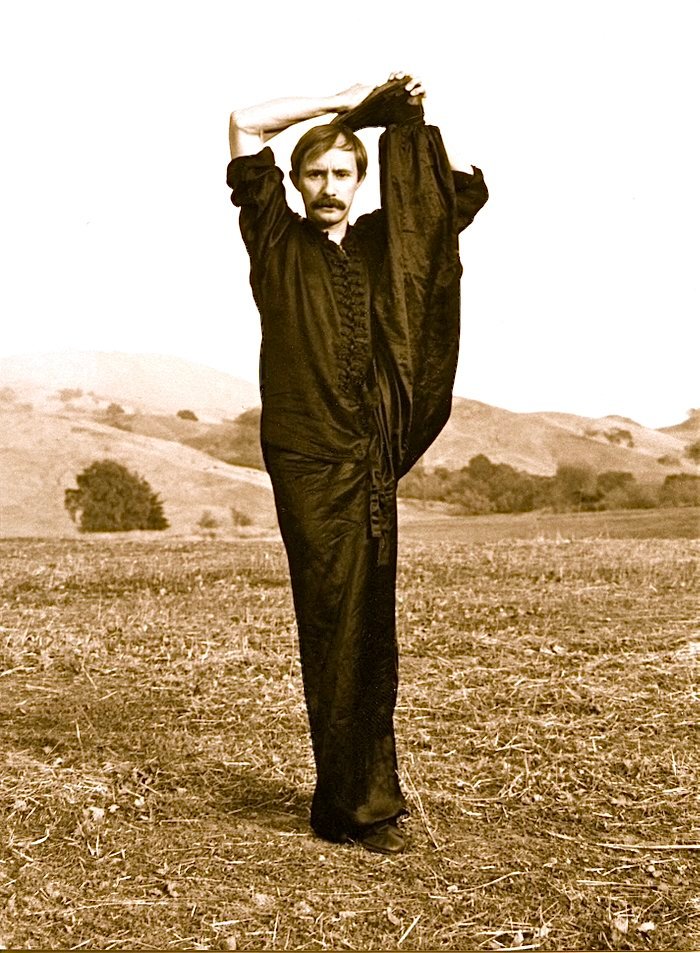
Yoga International Magazine Interview
Paulie further discusses the evolution of his style of Yin Yoga. Discover how Yin Yoga poses connect you to ancient Chinese traditions and the natural world, emphasizing the energetic essence of postures over strict anatomical theories. Uncover the art of movement and flow, and how it fosters flexibility, awareness, and vitality by embodying the spirit of animals and elements. Learn how this practice, distinct from traditional Western approaches, offers holistic benefits for mind, body, and spirit.
About This Page
The teaching on this page is Paulie Zink's. It is written on his behalf, in collaboration with him, and reviewed by Paulie for accuracy. Paulie was the sole protégé of Chinese Kung fu and Taoist yoga Master Cho Chat Ling, trained privately for ten years. He has been teaching his art of Yin yoga since 1979. Read Paulie's full biography.
